
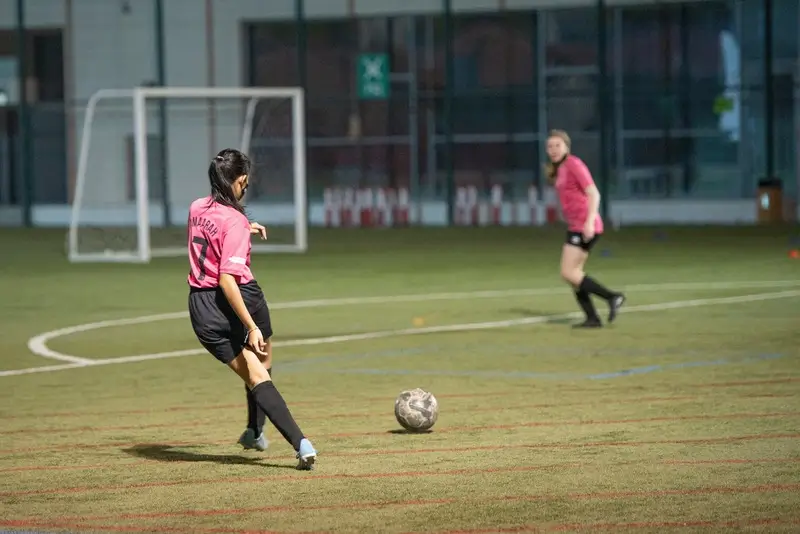
A Region on the Move
The physical landscape of Gulf cities now features state-of-the-art training centers specifically designed for female competitors. Local neighbourhoods that once lacked basic facilities now host community clubs where girls practice football and basketball daily. This visibility is crushing old stigmas and creating a massive surge in grassroots participation across both nations.
Government officials are no longer just talking about inclusion; they are actively funding elite performance pathways. Fans and analysts now follow these rising stars on platforms like AR:( إنشاء حساب melbet) to stay updated on competitive shifts. High-performance coaches from Europe and the Americas are relocating to Dubai and Riyadh to sharpen local talent. These investments ensure that young women have the technical support required to reach international standards quickly.
The Power of National Strategies
The acceleration of women's sports is anchored in high-level legislative frameworks that mandate structural change. Decision-makers have realized that a healthy society requires active participation from every single citizen, regardless of gender. These strategies provide the funding and legal backing necessary to build sustainable athletic programs.
The following initiatives have fundamentally altered the regional sports landscape:
The integration of physical education for girls into all public school curriculums.
The establishment of dedicated female departments within national Olympic committees.
The creation of massive financial grants for women-led sports startups and clubs.
These systematic changes provide a solid foundation for athletes to transition from casual play to professional careers.
Policy Milestones That Changed Everything
Legislative breakthroughs have dismantled the barriers that previously restricted female athletes from competing at high levels. Many supporters choose to download AR:( melbet تسجيل الدخول )to follow the live progress of these newly sanctioned professional tournaments. These policies create a safe, regulated environment where professional sports can finally thrive and attract private investment. The shift from informal play to regulated competition is the primary driver of this current regional boom. It marks a transition towards a fully professional sporting landscape. This framework provides safety and professional standards.