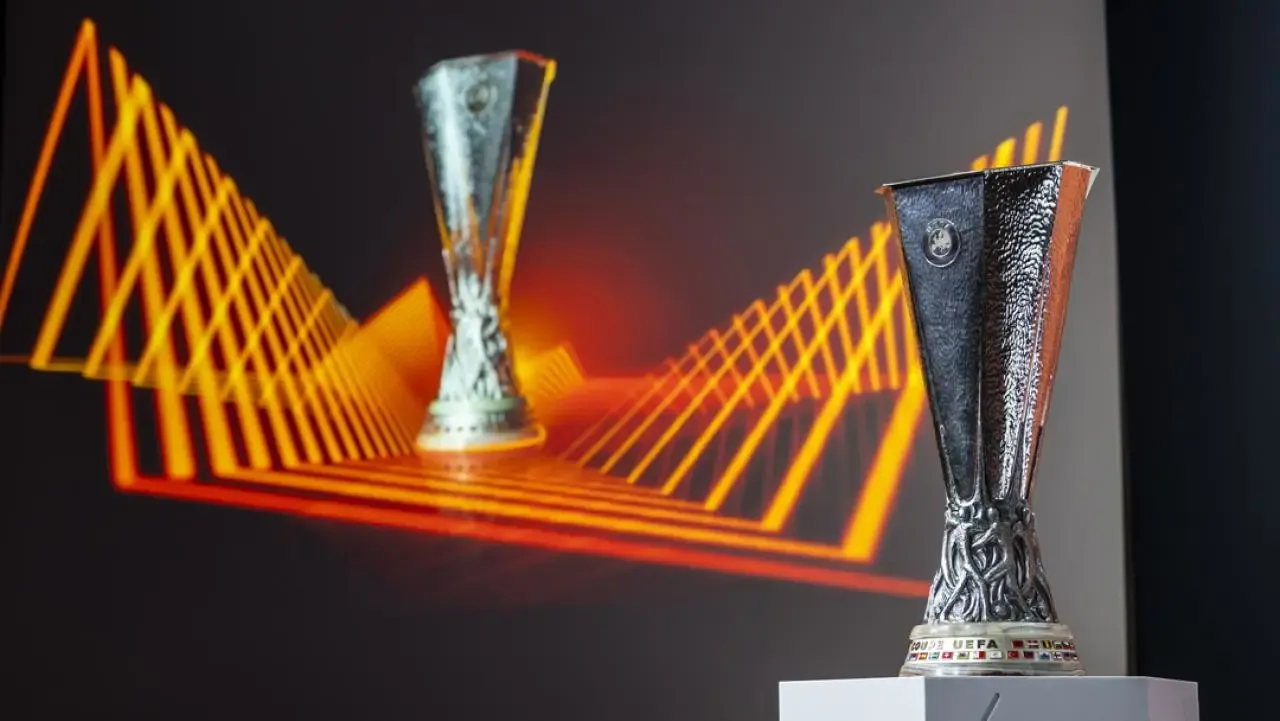
The Europa League knockout rounds have a reputation for chaos, but that reputation still doesn't seem to fully sink in when the odds come out. Season after season, big-name clubs from the Premier League, La Liga, or Serie A arrive as heavy favourites in two-legged ties against sides from less fashionable leagues and season after season, a disproportionate number of those favourites go out in ways that feel shocking but, when you look at the structure of the competition, really shouldn't.
This gap between how the market prices Europa League ties and how they actually play out is something traders and serious football bettors have noticed for years. Platforms like Mollybet, which aggregate prices across multiple bookmakers and exchanges, regularly show odds on Europa League knockout favourites that look generous to the underdog when you factor in how the two-legged format actually works. So why does the market keep underestimating the upset potential?
The Two-Legged Format Changes Everything
A single-game knockout is brutal but straightforward: the better team wins most of the time, and the underdog needs one good day. A two-legged tie is structurally different in ways that benefit the underdog more than initial odds tend to reflect.
The key dynamic is what happens after the first leg. If an underdog plays a tight, disciplined first leg at home and loses narrowly or worse for the favourite, holds them to a draw the psychological and tactical situation going into the second leg completely changes. The favourite now needs to chase the game or protect a slim lead under pressure, which plays very differently to a team that expected to manage 180 minutes of comfortable control.
Rotation and Fatigue: The Hidden Factor
The clubs most likely to be heavy Europa League favourites are typically the ones also competing in a domestic title race, a cup run, or occasionally the Champions League group stage drop that sent them to the UEL in the first place. Those clubs are rotating. They have to.
Rotation in European competition is a rational management decision, but it has a predictable effect on knockout tie performance. A front line missing two or three regular starters doesn't just produce fewer goals it changes the tempo and structure of the whole match. Against a well-organised underdog who has specifically prepared for this tie without the same fixture congestion, the quality gap closes significantly.
The underdog, by contrast, is often fully focused. A mid-table club from the Czech Republic or Turkey reaching the Europa League knockouts has had an extraordinary season by their standards. They know the squad, the system hasn't been rotated into confusion, and the motivation to cause an upset is as high as it gets in club football.