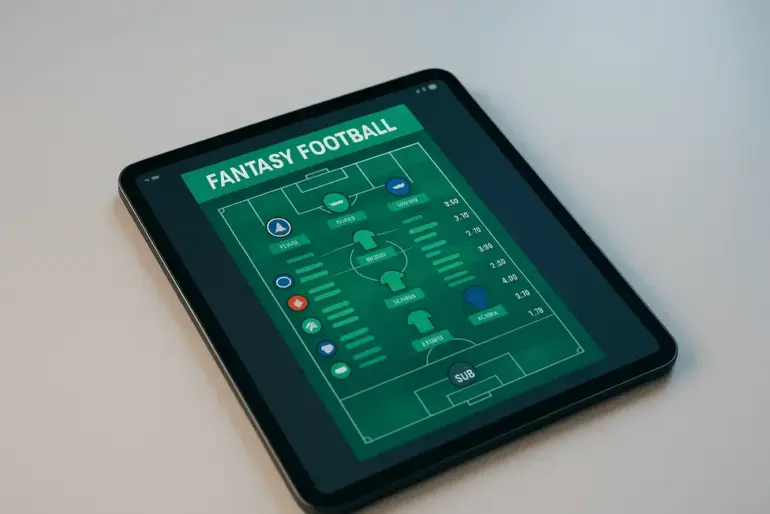
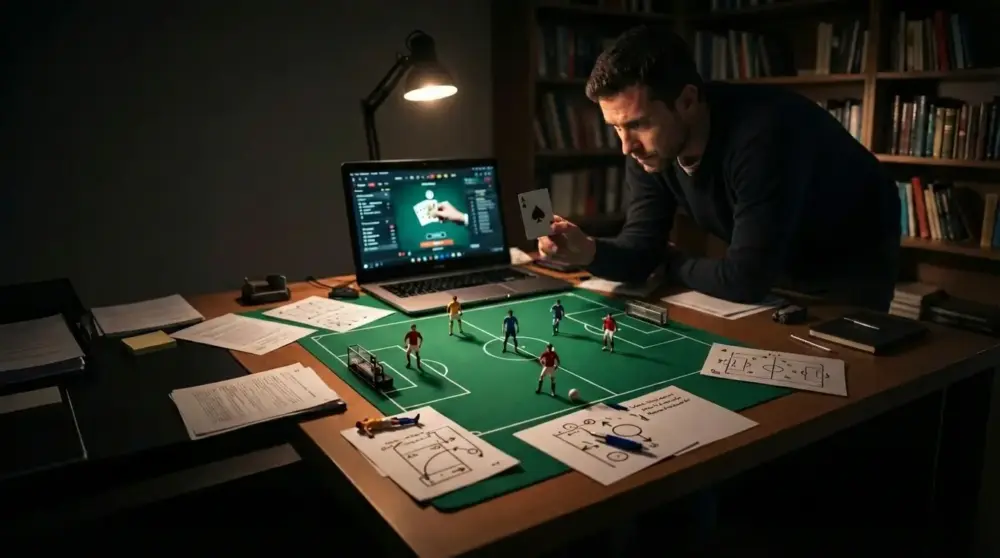
In the high-pressure worlds of both football and poker, success often comes down to a series of fast, calculated decisions. On the pitch and around the poker table, tactical skill is more than raw instinct: it’s an art shaped by discipline, analysis, and the ability to adapt. The parallels between these two popular UK pursuits are remarkable. Whether you’re studying a Premier League match or testing your skill at an online poker uk table, the same tactical principles and decision-making processes can often be observed.
Reading the game: prediction and adaptation
Football analysis is not just about seeing what is happening on the pitch; it’s about anticipating what might happen next. Analysts watch players’ positions, body language, and team formations to predict future plays. This predictive thinking mirrors poker, where players interpret opponents’ betting patterns, non-verbal cues, and overall tendencies to forecast their next move. In both cases, accurately reading these signs helps inform strategic choices that can change the outcome of a match or a hand.
Both football and poker require the ability to adapt tactics in real-time. A football manager might switch from a defensive to an attacking formation in response to an opponent’s strategy, just as a poker player may choose to become aggressive or tighten up based on the table’s dynamics. The best performers in both fields recognise when the situation changes and adjust their approach quickly. This shared quality is a marker of top-level decision-makers, as rigid strategies can be easily exploited by skilled opponents.
Risk assessment and probability in decision-making
Sound decision-making in both football and poker relies heavily on assessing risk and calculating probabilities. In poker, evaluating pot odds, drawing potential, and the chance of an opponent holding a stronger hand are all part of the decision process. In football, managers and players make similar calculations, such as whether to press forward and risk leaving the defence exposed, or to play conservatively. Both domains demand balancing aggression with caution, and making informed choices based on incomplete information.
Analytical tools have become increasingly important in both games. In football, data-driven analysis informs tactical decisions, with clubs investing heavily in analytics departments. Similarly, poker players use tracking software and databases to refine their gameplay and understand statistical trends. The integration of mathematics and data into tactical thinking is now an essential feature for success, whether the goal is finding value in a transfer market or identifying profitable spots at the poker table.
The psychological edge: bluffing, pressure, and focus
Success in football and poker frequently hinges on psychological mastery. In football, a player who can mask intentions or perform unpredictable moves keeps opponents off guard and opens spaces for attack. Poker players utilise bluffing, double bluffs, and reverse tells to shape perceptions and influence rivals’ actions. Maintaining a steady mindset under pressure, whether it’s a penalty shootout or a high-stake river call, is a skill both professions train relentlessly.
Concentration is another trait shared across football and poker. One lapse in attention can result in conceding a late goal or making a costly call. Both games reward those who can maintain focus through long, tense stretches and make objective choices when fatigue sets in. Preparation, studying line-ups or revisiting hand histories, is a further parallel, underpinning a process of continuous improvement that defines the leading figures in either discipline.
Teamwork, individual brilliance and responsibility
While poker is commonly viewed as an individual pursuit, the UK’s vibrant poker scene highlights the importance of community and shared learning, much like the collaborative nature of football analytics. Professional players often discuss hands, review sessions, and learn from each other in ways that resemble coaching staff debriefs. Football, too, depends on a balance between collective organisation and flashes of individual talent. A single decision, be it a through-ball or a calculated bluff, can tip the scales.
Ultimately, both fields demand responsibility. In football, a misplaced pass or wrong tactical tweak can lead to defeat and scrutiny; poker players face personal accountability for every chip they lose or win. The willingness to review and own decisions, adjusting for next time, marks the difference between those who plateau and those who evolve into long-term winners.